Pearls of
Wisdom.
Teaching girls what
no one ever told them.
In many communities across Ruvuma, Tanzania, girls grow up without a safe space to ask the questions that matter most — about their bodies, their worth, their futures. Pearls of Wisdom exists to be that space.
Through story, teaching, and the kind of honest conversation most girls have never been offered, Pearls of Wisdom equips young women with knowledge, dignity, and a community of peers who understand what they’re carrying. It is not a lecture. It is a conversation that changes everything.
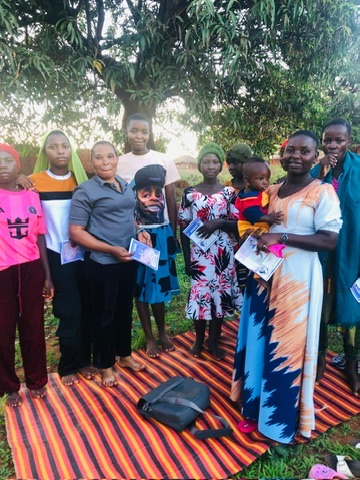
The program meets girls where they are — in schools, community spaces, and the House of Blessings — and gives them something many have never had: someone who believes their questions deserve answers and their lives deserve more.
Many mothers and grandmothers were taught to “just deal with it” — and never speak about it. That silence travels down generations.
It started with listening.
Before a single lesson was written, we sat with women and girls across Tanzania and asked about the obstacles they face around their periods. The answers came pouring out: no money for products, no one to talk to about what's happening to their bodies, and a lifetime of misinformation, taboos, and superstitions passed down in place of real answers.
Then came the research — body literacy education in both the US and Tanzania. What we found: most schools teach nothing on the subject at all. The few that do keep it so basic and confusing that girls leave feeling like they can't even ask their own teachers a question.
So the goal became bigger than a curriculum: teach girls how their bodies work — clearly, candidly, and without shame — and teach them that the stigma won't go away unless they talk about it and pass what they learn to others. The lessons name the superstitions directly, and speak honestly about the hardest choices girls have faced: staying home from school, dropping out, even trading their bodies for products. Girls leave knowing they have choices — and feeling empowered to make their own.
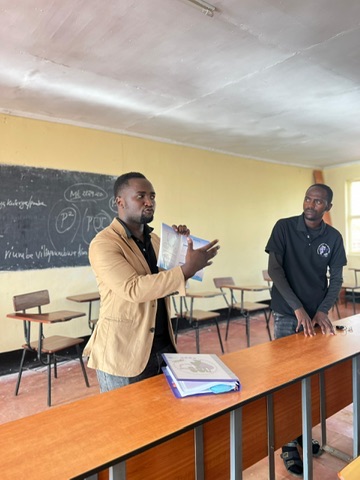
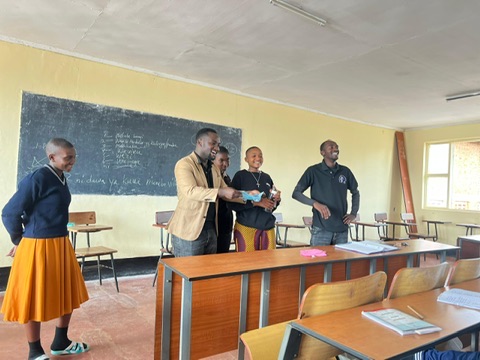
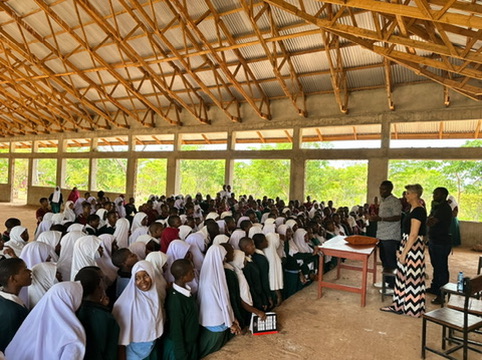
Step inside a class being taught
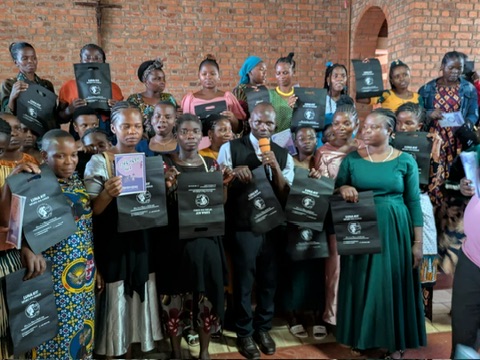
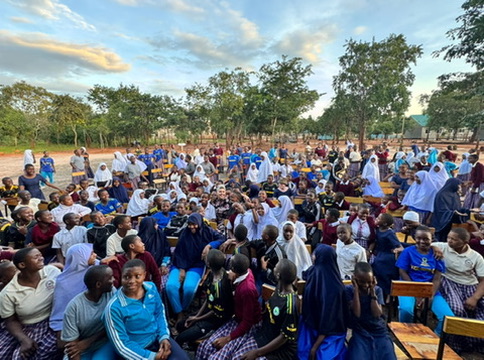
At our first weekend seminar, guest speakers stood beside us — teachers from the larger government schools, and a doctor from the local hospital who shared something sobering: complications from teen childbirth have grown so overwhelming that the government has begun adding special hospital wards just to handle them.
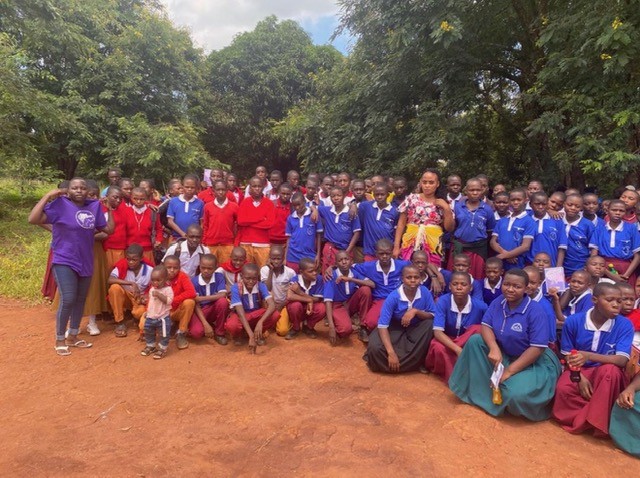
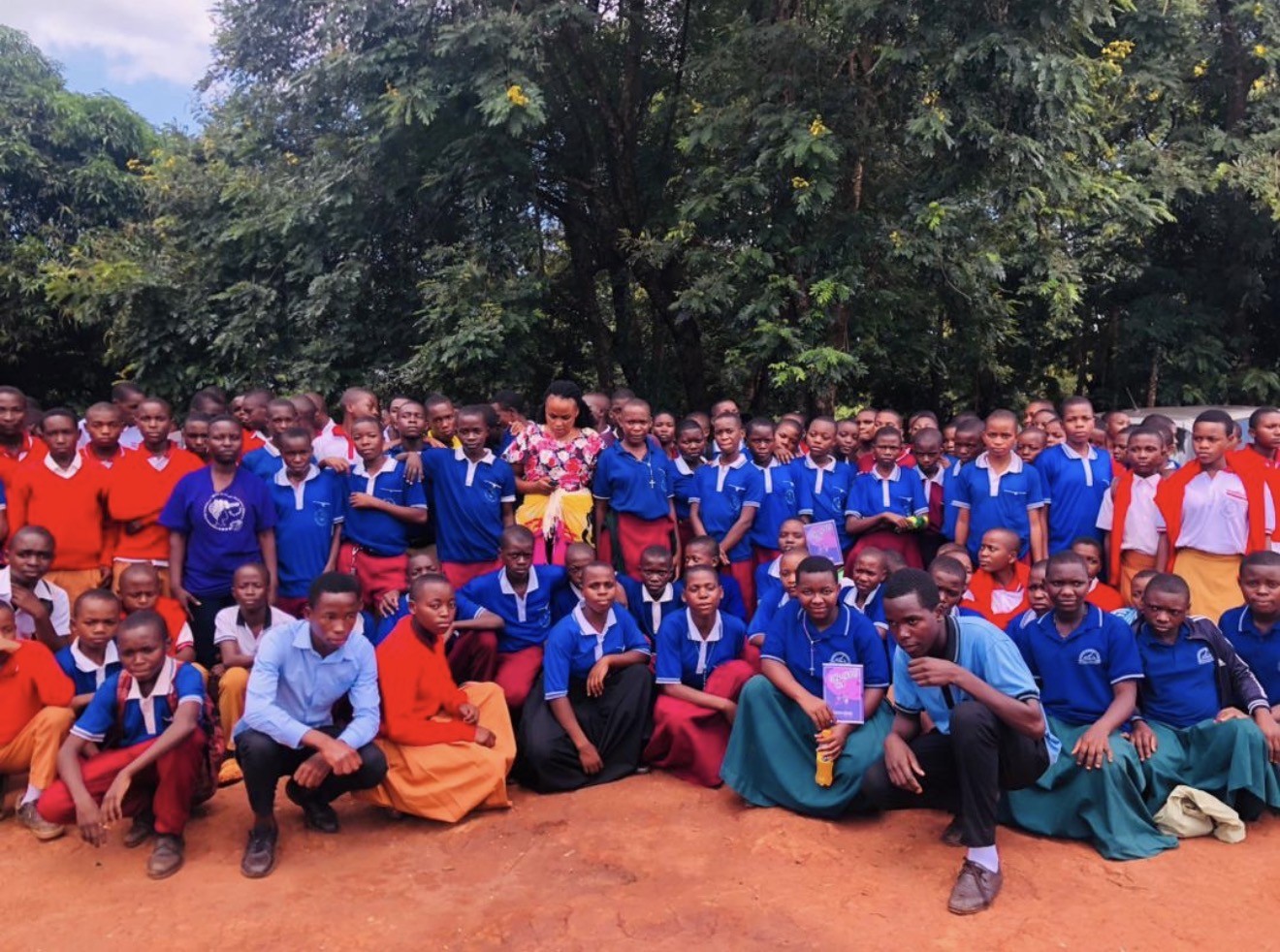
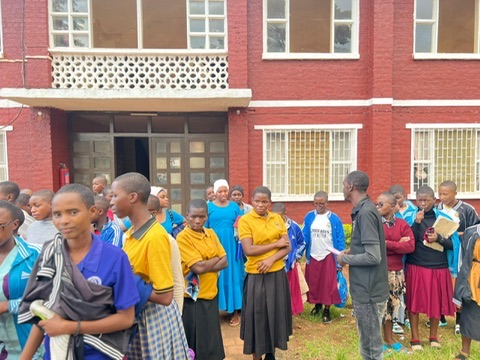
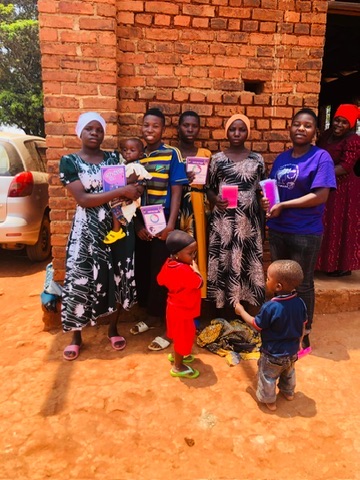
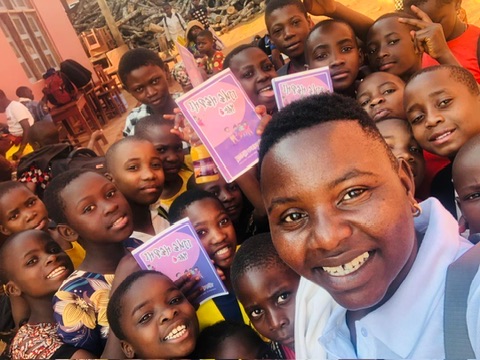
From the first Pearls of Wisdom seminarFrom there, word spread like wildfire. Women and girls began arriving at the office in groups, asking for the education their friends and family had told them about. Today the program is taught in small groups, large seminars, schools of every size, and villages near and far — and when the distance is too great for them to come to us, we go to them.
The right product for real life.
Education keeps a girl informed. A kit keeps her in school. We researched every option before choosing what goes in a girl's hands.
Our first choice — and the girls were receptive. But most schools have no running water in the bathrooms, so it wasn't the right fit. Yet.
One month of dignity, then the need returns. Between cost and access, disposables simply weren't feasible for the girls we serve.
Washable, discreet, and lasting at least two years when properly maintained. Not one month of dignity — years of it.
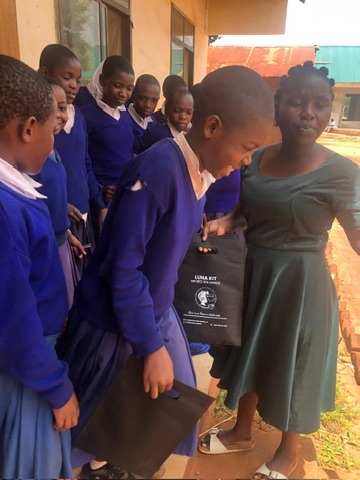
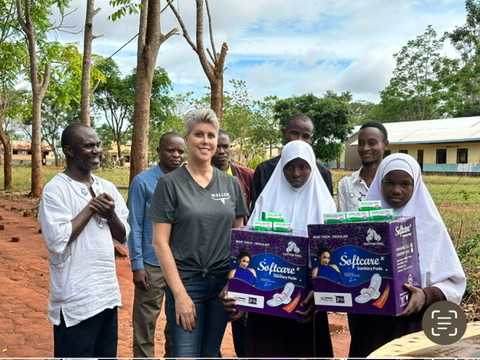
The kits, up close
What's inside — and why it matters
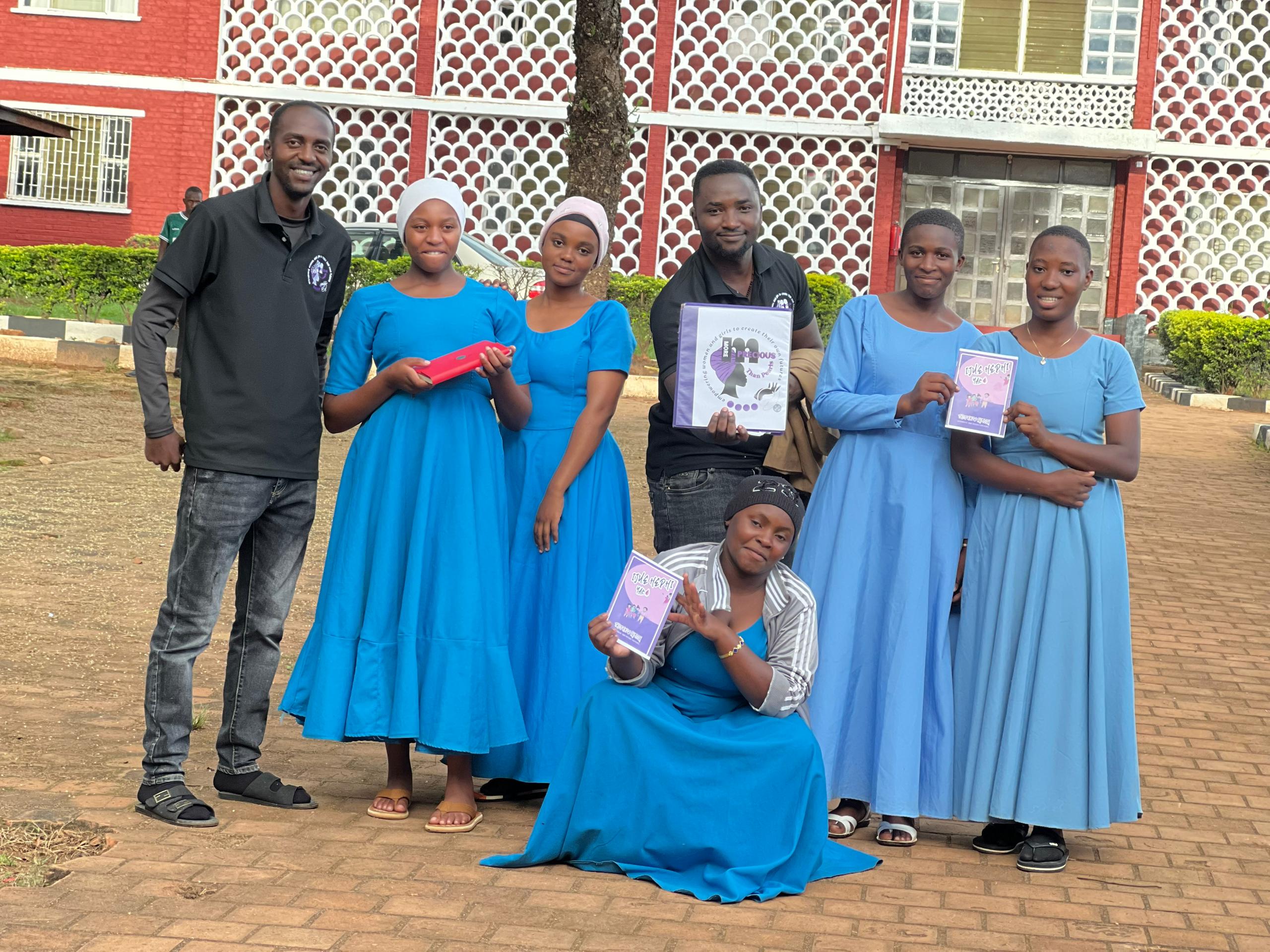
Today, kits are only handed out in small group settings and office visits — we don't yet have the funding to provide products at the larger seminars and bigger schools. You can change that word: yet.
This education is for boys and men, too.
Taboos don't fall when only half the community stops believing them. Boys and men need this education as much as the girls do — to understand what it's like for the women and girls in their lives, their future wives, and the mothers of their children. Their cooperation is crucial to dispelling the superstitions for good.
Four things every girl
deserves to know.
Each pillar is a doorway — into knowledge, into community, into a version of herself she may not have known was possible.
Know your worth.
Before anything else, a girl must know who she is. Pearls of Wisdom begins here — with the foundational truth that she is seen, she is known, and she is more precious than pearls. This is not motivational language. It is the lens through which every other lesson is taught.
- Identity rooted in worth, not circumstance or status
- Confidence to resist pressure, exploitation, and early marriage
- A language for her value she can carry for the rest of her life
Know your body.
Reproductive health, menstrual hygiene, and basic body education are taught with dignity and without shame — often for the first time. Girls learn what is normal, what is not, and what they deserve access to. Ending the silence is the first step to ending what the silence allows.
- Girls stay in school instead of missing class each month
- Shame replaced by knowledge — and knowledge by agency
- Health literacy that travels home to mothers, sisters, and daughters
Know your rights.
Girls are taught that they have rights — to education, to safety, to a future that is not shaped by survival. They learn what exploitation looks like, how to name it, and that they do not have to accept it. They learn that saying no is not only allowed; it is their right.
- Awareness of early marriage as a violation, not an inevitability
- Tools to advocate for themselves within their families and communities
- Understanding of education as a right, not a privilege granted by others
Know your story.
Through storytelling, honest conversation, and the safety of being in a room with other girls who understand — girls discover that they are not alone. They find their voice, share their experience, and begin to see themselves not as products of what happened to them, but as authors of what comes next.
- Community formed among girls who previously felt isolated in their experience
- Storytelling as healing — naming the experience reduces the hold it has
- Peer support networks that continue beyond the program
When a girl knows her worth,
everything shifts.
“When you educate a girl, you don’t just change her life — you change the lives of everyone around her. That is the nature of wisdom. It never stays in one place.”
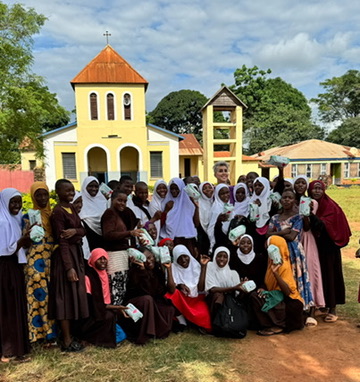
The education, in pictures.